If you are working out how to start a meat shop business, you are looking at one of the steadiest food trades in Bangladesh. Families buy chicken every week, beef and mutton for weekends and guests, and fish almost every day. Demand peaks again at Eid, weddings and winter gatherings. What decides success is not demand but trust: clean handling, honest weight, halal slaughter and fresh stock.
This guide covers the main shop models, licences, location, equipment, sourcing, hygiene, pricing, delivery and selling online. Fish is included throughout, because many of the best shops in Bangladesh sell both fish and meat under one roof.
Is meat shop a profitable business?
Before investing, most people ask: is meat shop a profitable business here? Usually yes, if waste and weight loss are controlled. Meat and fish have higher prices per kilo than vegetables, so each sale brings more money, but they also spoil faster and need cold storage. A kilo lost to spoilage or careless trimming costs far more than a kilo of potatoes.
Profit comes from steady volume, regular customers who trust your weight and quality, and value-added items. Cut, cleaned and marinated products, minced meat, boneless cuts and ready-to-cook packs earn better margins than whole carcass sales.
Where profit leaks
- Spoilage from weak cold storage or power cuts.
- Trimming losses when cuts are not planned.
- Credit to regular buyers and restaurants that pay late.
- Weight complaints from inaccurate scales.
- Unsold stock after a slow day or bad weather.
Choosing your model
Decide what kind of shop you want before you look for a space. Each model needs different money, skills and hours.
- Neighbourhood butcher shop selling beef, mutton and chicken to walk-in buyers.
- Fish and meat counter with river fish, hilsa, prawns and meat side by side.
- Chicken-only shop with broiler, sonali and deshi chicken, cleaned and cut.
- Online fish and meat delivery from a store room with freezers and riders.
- Ready-to-cook brand selling marinated kebabs, fillets and tikka.
- Institutional supply to restaurants, hotels, hostels and caterers.
Many owners start with a small counter and add home delivery within months. Online orders let you sell to families who never visit, and they often come in larger quantities for the whole week.
How to start a meat shop business: licences and location
In Bangladesh you will usually need a trade licence from the city corporation or municipality, a TIN and a bank account in the business name. Meat sellers also come under food safety and slaughter rules, and in many cities animals must be slaughtered at approved places with veterinary checks. Rules change and differ by area.
Speak to the local office, the food safety authority and the livestock office before you open.
Choose a location with steady foot traffic from families, good water supply and drainage, reliable power for freezers and space to keep the floor clean and dry. A shop near a residential area or a busy kitchen market usually beats a cheaper back lane.
Visit the area at different times: early morning when fish buyers come, evening when office workers pass, and Friday morning when families buy meat for lunch. Count the competing shops and note what they do badly, such as dirty floors, no delivery or no cutting service. Those gaps are your opening, and they tell you what to promise on your signboard.
Equipment you will need
- Chest freezers and a display chiller, plus a generator or IPS for power cuts.
- A calibrated digital scale, checked often.
- Cutting tables of stainless steel or food-grade plastic, and separate boards for fish and meat.
- Knives, cleavers and a mincer, cleaned and sharpened daily.
- Ice boxes and insulated bags for delivery.
- Tiles, drains and a hand-wash point for hygiene.
Sourcing fish and meat
For meat, build links with trusted cattle and goat traders and approved slaughter points, or with poultry farms for chicken. Ask about the animal's health, age and where it was slaughtered. Halal slaughter is essential for most buyers, so be ready to explain how and where it is done.
For fish, buy early at the ghat, an arot or a wholesale fish market, or directly from fish farmers. River fish, hilsa from Chandpur or Barishal, and prawns from Khulna and Satkhira all have their seasons. Check freshness by the eyes, gills and smell, and never buy fish that has been treated with formalin.
Buying at the right time
Prices of beef and mutton rise before Eid and in the wedding season, while hilsa prices swing with the catch and fishing bans. Plan ahead: agree prices with suppliers early for busy weeks, buy in smaller lots when prices are high, and promote chicken and farmed fish when red meat or hilsa is expensive. Buyers notice when a shop helps them save.
Testing and records
Many shops in Bangladesh now test fish with a formalin test kit and tell buyers they do. Keep a simple record of where each batch came from, the date and any tests. If a buyer complains, records let you trace the problem quickly and fix it with the supplier.
Hygiene, cutting and storage
Cleanliness is your strongest advert. Buyers who see a clean floor, clean knives, staff in aprons and gloves, and no flies, will come back. Wash surfaces and tools several times a day, keep raw meat and fish apart, and keep cooked or marinated items in a separate chiller.
- Cold chain: keep meat and fish chilled or frozen from purchase to delivery.
- First in, first out: sell older stock first and label everything with the date.
- Cutting service: curry cut, boneless, keema, steak, fillet, whole or cleaned. Offer it free and ask buyers how they want it.
- Vacuum packing for meat that travels further or will be frozen at home.
- Staff health: no one with a cough or open cuts handles raw food.
Plan cuts to reduce waste. Bones can go into soup packs, trimmings into keema, and fish heads into packs for curry. Every gram you sell instead of throwing away improves your margin.
Pricing, delivery and selling online
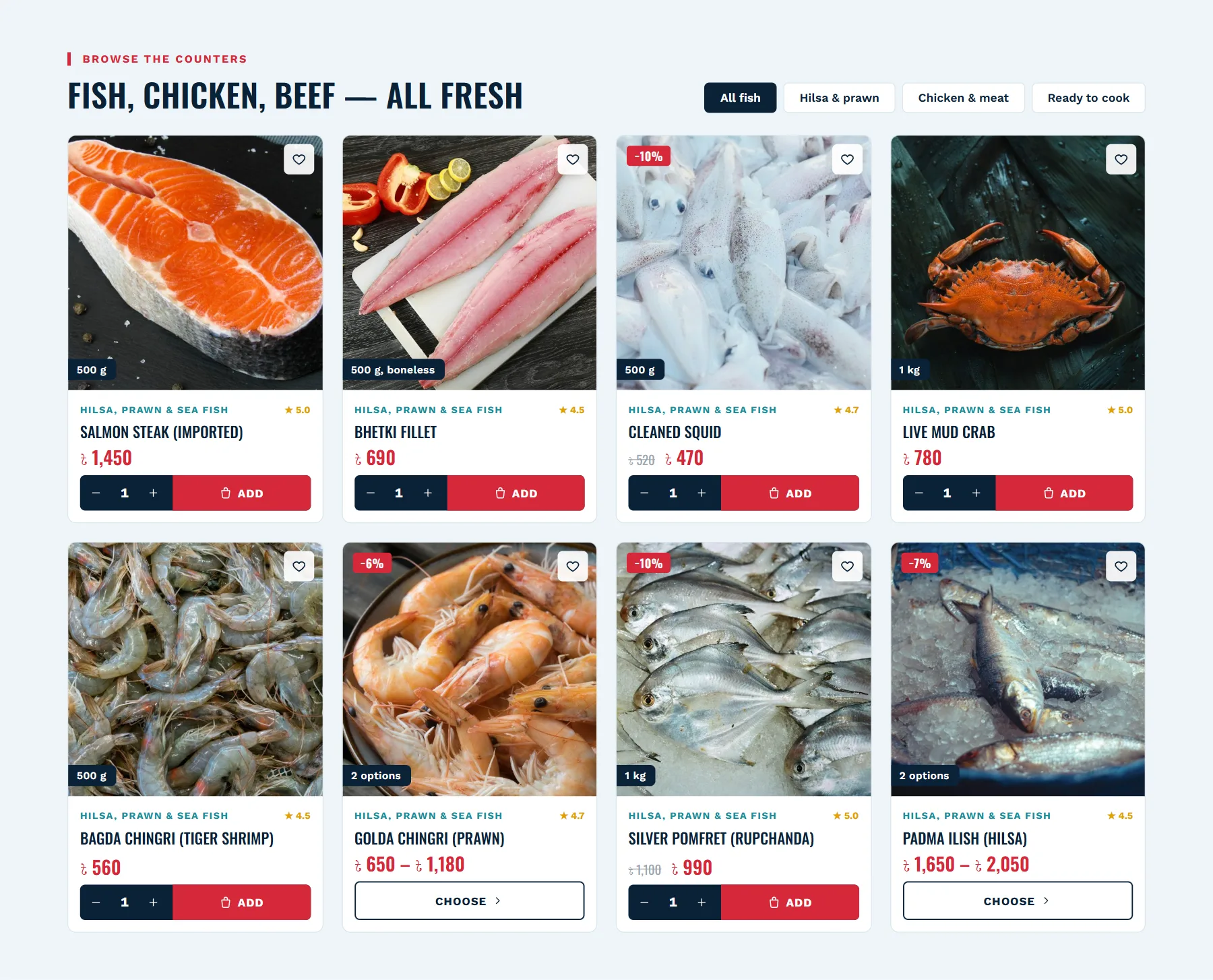
Keep chicken and common fish close to the market price, because buyers compare. Earn better margins on boneless cuts, steaks, marinated items, prawns and premium fish. Show prices per kilo and per pack clearly, and explain any price change after a festival or flood.
Delivery is where many fish and meat shops grow fastest. Families are happy to pay a small charge to avoid the wet market, especially for large weekly orders. Use ice boxes or insulated bags, give each order a delivery window such as morning, noon or evening, and ask riders to call before they arrive.
What a fish and meat website needs
- Weights and sizes: 500 g, 1 kg, 2 kg, or fish sizes such as 800 g to 1 kg.
- A note for cutting: curry cut, boneless, fillet or whole.
- A simple checkout: name, mobile number, district and address.
- Cash on delivery, bKash and Nagad.
- Clear delivery charges and a free delivery amount for larger orders.
- Trust content: testing, halal slaughter, cold packing and return rules.
- A WhatsApp or call button for buyers who want to ask the butcher first.
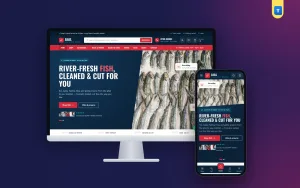
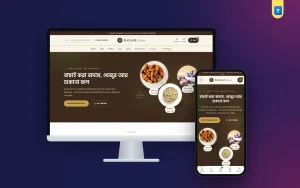
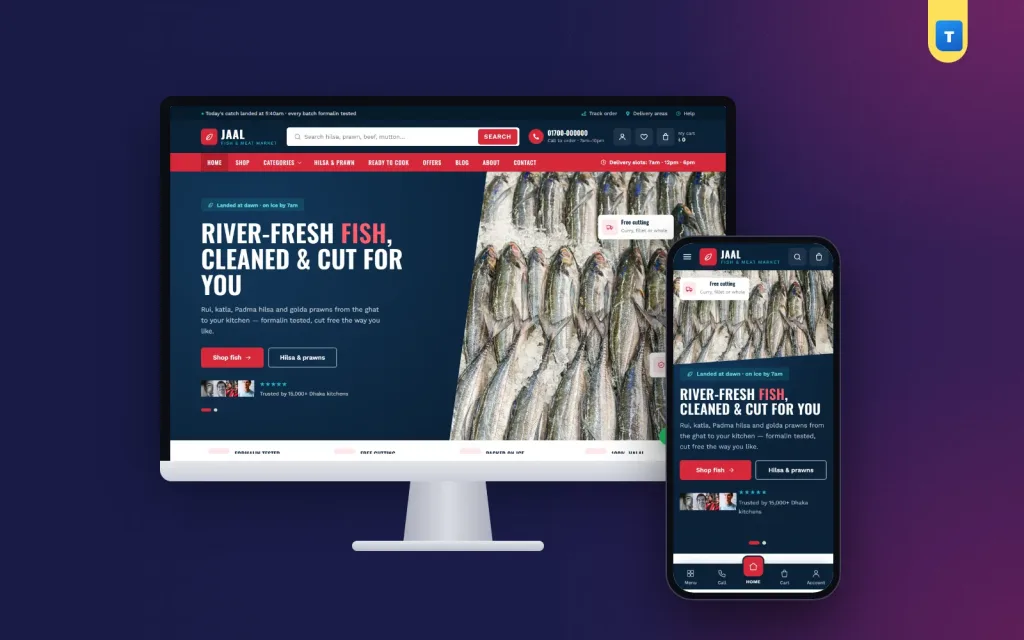
Jaal, our fish and meat store theme for WordPress, was designed for exactly this. It runs on WooCommerce and the free Elementor, with weight and size options, a free-cutting service band, a Bangladesh checkout, bKash and Nagad, Steadfast courier and a fraud checker for risky cash orders. You can walk through the live Jaal demo to see the counters, the product pages and the checkout.
Packing for delivery
Pack every order so that it arrives cold and clean. Put fish and meat in separate sealed bags, add ice packs or ice in a separate bag so water does not soak the meat, and use an insulated box or bag for the ride. Label each bag with the item, weight and cut, so the buyer can check it at the door in a minute.
Refused orders and fraud
A refused parcel of raw meat is a total loss. Call new buyers before large orders, limit orders from one number per day, ask for the delivery charge in advance by bKash or Nagad when the risk is high, and keep a list of numbers that refused before. Buyers who left the checkout half finished often only had a question about cutting or delivery time.
Marketing and growing the shop
Plan your staff too. A small shop usually needs one experienced butcher, one fish cutter, a helper who weighs and packs, and a rider for deliveries. Pay the butcher well; his skill decides how much meat you lose to poor cutting and how happy buyers are with each cut.
Show the work. Short videos of the morning catch, the cutting table and the ice packing tell buyers more than any slogan. Post daily prices and what is fresh today on Facebook and in a WhatsApp group.
- Weekend offers on steak cuts or whole fish for the grill.
- Evening deals on what is left on ice at closing time.
- Family packs for the week: chicken, fish and beef in one box.
- Eid and Qurbani services, such as pre-booking, cutting and packing.
- Recipes and buying guides: how to choose hilsa, which cut for rezala.
- Restaurant supply for steady weekday volume.
Write useful posts rather than only offers. Google's guide to helpful, people-first content is a good reference for product pages and blog posts.
Keep in touch with regular buyers. A short message before the weekend, such as "fresh golda prawns and mutton today", brings back families who have not ordered for a while. Ask for reviews after good deliveries, and answer complaints quickly and politely; a replaced kilo of fish costs less than a lost customer.
Common mistakes to avoid
- Weak cold storage with no backup power.
- Short weight, even by a few grams.
- Mixing raw fish and meat on the same board.
- Too much stock before a slow week.
- Taking orders only by chat, so cutting notes and addresses get lost.
How to start a meat shop business: launch checklist
- Choose your model: counter, delivery, or both.
- Get trade licence, TIN and bank account; check slaughter and food safety rules.
- Find a clean, well-drained space with reliable power.
- Buy freezers, chiller, scale, tables and knives; arrange backup power.
- Agree on supply with trusted traders, farms and fish markets.
- Train staff on hygiene, cutting and weighing.
- Set prices per kilo and per pack, and plan delivery charges.
- Build a simple website with mobile checkout, bKash and Nagad and a WhatsApp button.
- Launch with an opening offer for nearby families.
Anyone learning how to start a meat shop business should remember that the first hundred customers come from the street and Facebook, but the next thousand come from word of mouth. Fresh stock, honest weight and clean hands are what people tell their neighbours about.
Watch five numbers each week: sales per day, average order, waste in kilos, repeat buyers and refused deliveries. They show early whether the shop is healthy, long before the monthly accounts do.
Frequently asked questions
How to start a meat shop business with a small budget?
Start with a small counter or a delivery-only store room, a good freezer with backup power, an accurate scale and a short list of fast-selling items like chicken and common fish. Add beef, mutton and premium fish as orders grow.
Is meat shop a profitable business in Bangladesh?
Yes, when spoilage, trimming and weight are controlled. Margins are better on cut, cleaned and marinated items than on whole sales.
Which licences do I need?
Usually a trade licence, TIN and bank account, plus food safety and slaughter rules for meat. Confirm the details with the local office.
What is the first step in how to start a meat shop business?
Choose your model and location, then check the licence and slaughter rules for that area before buying any equipment.
Can I sell fish and meat online?
Yes. Use ice boxes or insulated bags, deliver in fixed time windows inside your city, and take cash on delivery, bKash or Nagad.