Men fashion website design works best when it makes decisions easier. Most men do not enjoy browsing for hours or building outfits from scratch. They want to see a good look, understand the fit and buy it quickly. This guide explains how to design a menswear shop for smart-casual clothing that sells complete outfits, reduces returns and brings men back for more.
We have built shops for menswear labels, shirt brands and smart-casual boutiques. The patterns below are the ones that lift order values and repeat purchases in almost every project.
How men shop for smart-casual clothing
Smart-casual is the most common style for men today: shirts and polos with chinos, a blazer for the evening, knitwear in winter and clean shoes that go with everything. Men buying this style usually have a situation in mind, such as the office, a dinner or a weekend trip.
Good men fashion website design starts from those situations. Instead of only listing products by type, it shows what to wear for each occasion and how pieces work together.
Men fashion website design: sell the look, not just the item
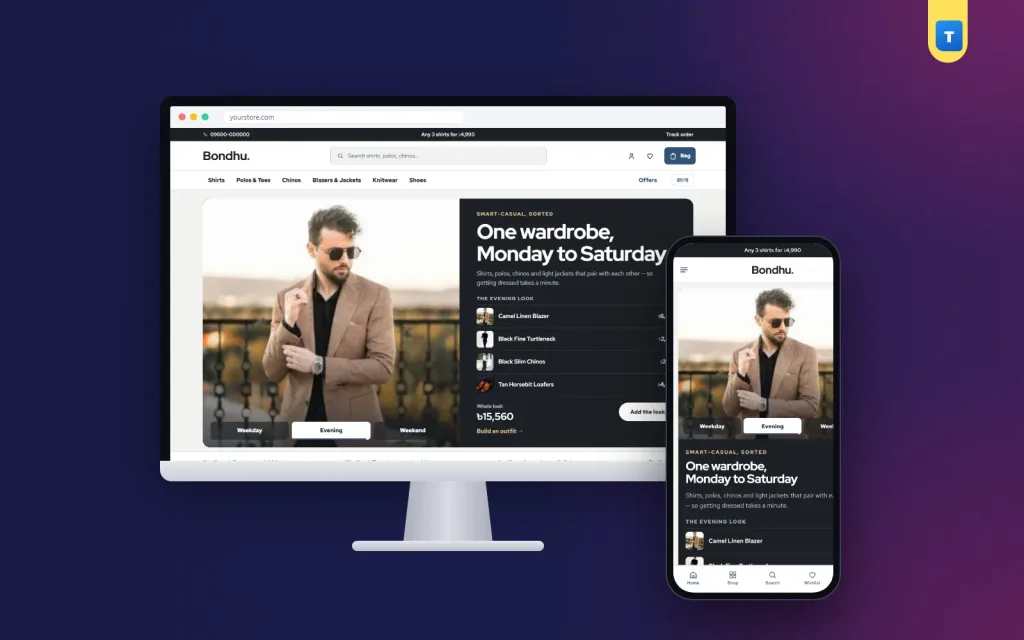
The most effective idea in menswear is selling outfits. A homepage hero that shows three complete looks, such as weekday, evening and weekend, with every piece, its price and the total, answers the question "what should I wear?" in seconds. One button to add the whole look to the cart turns inspiration into an order.
Change the looks automatically every few seconds, or let buyers tap between them. Each look should be realistic, using pieces you have in stock in most sizes.
Let men build their own outfit
Some men prefer to choose. An outfit builder where they pick a top, a bottom and shoes, see the combination and its total and add all three at once makes this easy. It also raises the average order from one item to three without pushy upselling.
Keep the builder simple: three steps, clear photos and a running total. Too many options make it feel like work, and men quietly close the page.
Show what pairs with what
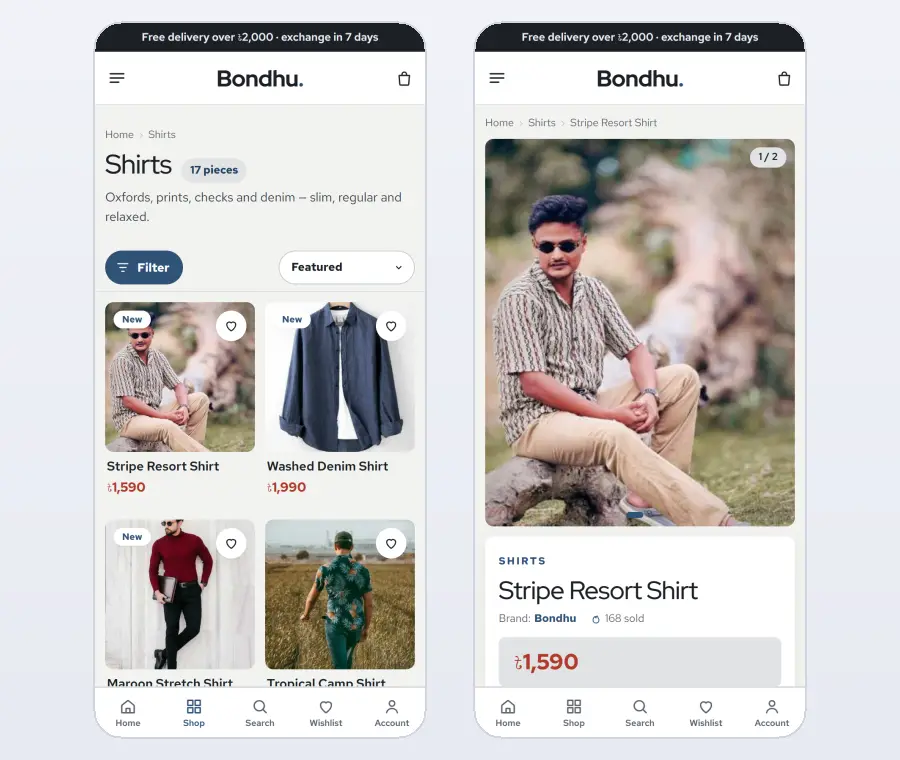
On every product card, a short line such as "Pairs with 3 pieces" tells buyers that a shirt has matching chinos and shoes in your shop. On the product page, show those pieces right below the main details. This simple idea in men fashion website design helps men build a wardrobe instead of buying random single items.
Explain fit clearly
Fit is the biggest reason for returns in menswear. Explain slim, regular and relaxed fits with photos on real men of different builds. Add a fit guide on the homepage and link to it from every product page.
On each product page, state the fit, the model's height and the size he wears. A note such as "Slim through the chest, size up if you prefer room" saves many exchanges.
Smart casual website design template: features to look for
If you are choosing a smart casual website design template, check that it supports outfit-based selling out of the box: a look-switcher or outfit hero, an outfit builder, "pairs with" links and a fit guide. Most fashion templates only show grids of single products, and adding outfit tools later is expensive.
Also look for a calm, masculine design with deep neutral colours, clean fonts and fast loading on phones.
Organise the wardrobe
Keep categories simple and familiar: shirts, polos and tees, chinos, blazers and jackets, knitwear and shoes. A "shop the wardrobe" section on the homepage with one photo per category helps buyers jump straight to what they need.
Add filters for size, fit, colour and occasion on category pages. A buyer filtering for "slim, navy, office" should see a focused, useful selection.
Photography for menswear
Show each piece on a model and as part of a complete outfit. Use natural light and simple backgrounds, and keep the style consistent across the whole shop. Close-ups of fabric, collars and buttons answer quality questions.
Photos of real customers wearing your outfits, shared with permission, are powerful proof. They show buyers that men like them look good in your clothes.
Colours and typography
Deep neutrals such as denim blue and graphite, olive and stone, navy and tan or rust and charcoal suit smart-casual menswear. Pair a modern sans-serif for headings with a clean text font. Keep layouts tidy and spacious. In men fashion website design, a calm, confident style feels more premium than loud graphics.
Weekly deals without cheapening the brand
A "this week's deals" section gives regular visitors a reason to return. Keep it small and focused: a few pieces at a fair saving, not a wall of red discount badges. Outfit bundles with a small saving work better than heavy discounts on single items.
Product pages that close the sale
On the product page, show several photos, sizes and fits clearly, the price and one add-to-cart button, all visible on a phone without scrolling. Below, show the pieces that pair with this item, fabric and care details, and reviews from other men that mention fit.
Shoes and accessories
Shoes, belts and watches finish a smart-casual look, and men often forget them until they see a complete outfit. Show shoes in every hero look and outfit builder, and suggest a belt or watch on shirt and chino pages. Accessories have good margins and rarely need exchanges, so they are an easy way to raise each order.
Trust and service
Show a clear exchange policy, your contact number and your address in the footer. A short "Why us" section with three honest promises, such as easy exchanges, cash on delivery and careful packing, answers doubts quickly.
Fast replies on WhatsApp or Messenger matter too. Men may not write long questions, but they expect a short, clear answer within minutes. Good men fashion website design makes these service details easy to find on every page.
Size charts that men actually read
Long size tables put men off. Keep size charts short: chest, waist and length for tops, waist and inseam for trousers, and the usual shoe sizes. Add a single line on how to measure. Link the chart from every product page.
Content and SEO
Men search for practical advice: what to wear to a wedding, how to style chinos, which shoes go with a blazer. A journal with short style guides brings these visitors from Google and links them to complete looks. Name your products the way men search, such as "navy oxford shirt slim fit", not just a code.
Navigation that respects his time
Keep the main menu to five or six items and put the search box where it is easy to see. Make sure search understands simple words such as "white shirt", "chinos" or "loafers". Show how many products match each filter and let buyers sort by newest or price. A man who finds what he wants in under a minute is far more likely to come back.
A quick checkout
Keep the checkout on one page: name, phone, address and district. Show the delivery charge straight away and offer bKash, Nagad and cash on delivery. Confirm the order clearly, send SMS updates and give buyers a Track Order page.
Design for phones first
Most men shop in short breaks on their phones. Make sure the look-switcher stacks neatly, the outfit builder works with a thumb, the "pairs with" line is readable on small cards and the checkout fits on one screen. Keep the site light: no heavy page builders, no endless sliders.
Loyalty and repeat orders
Men who find a shop that fits them well tend to stay. Reward that loyalty with points on every order, a refer-a-friend offer and SMS messages when new looks arrive. Repeat customers are the most profitable part of any menswear business, so treat their second order as carefully as the first.
Seasonal looks in men fashion website design
Smart-casual wardrobes change with the weather and the calendar: light linen shirts in summer, knitwear and jackets in winter, festive looks around Eid and wedding guest outfits in the wedding season. Plan your hero looks around these moments and refresh them every few weeks.
Seasonal updates give regular visitors something new to see and give you fresh content for social media. A shop that changes with the season feels alive, and that feeling is a quiet but important part of men fashion website design.
Gifting for men
Many menswear orders are gifts from partners, parents and friends who do not know the exact size. Make gifting easy with a small gift section of safe choices such as knitwear, belts and shoes in common sizes, a clear exchange promise and gift-ready packaging. A smart casual website design template with a gift block and easy exchanges turns these buyers into regular customers.
Corporate and team orders
Companies, clubs and event organisers sometimes order matching polos, shirts or blazers for their teams. A bulk order form with quantity prices and a direct contact makes these orders simple. One corporate order can equal a week of regular sales, so it is worth a small section on your site.
Using video and real customers
Short videos of a look being worn, a model walking or a jacket being buttoned show fit and fabric better than photos. Add them to your best sellers. Ask customers to share photos of their outfits and show the best ones on the homepage. Real men wearing your clothes are the most convincing proof in website design, because buyers can picture themselves in the same look.
Measure what works
After launch, check which looks are added most often, which sizes sell out and which products are returned. Replace looks that do not sell, restock popular sizes in time and rewrite fit notes on products with many exchanges. Connect Facebook Pixel and Google Analytics to see which ads bring real orders. Small monthly improvements based on real numbers make a menswear shop grow steadily.
Common men fashion website design mistakes
Showing only single products in a grid. No fit information. No suggestions for what to wear together. Loud discount banners everywhere. Slow, heavy pages. A long checkout. Each of these makes shopping feel like work, and men leave when shopping feels like work.
Build it with a ready theme
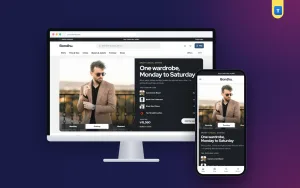
You can design all of this yourself, or start with a theme built for it. Our mens fashion WordPress theme, Bondhu, sells smart-casual menswear as complete outfits.
It includes a look-switcher hero on a graphite panel with weekday, evening and weekend outfits, every piece, its price, the total and one button to add the whole look, plus an outfit builder for top, bottom and shoes. A "pairs with" line appears on cards, and there is a fit guide for slim, regular and relaxed.
The homepage also has "shop the wardrobe", "most bought", weekly deals, reviews and a journal. The included shop plugin handles sizes and stock, bKash, Nagad and cash on delivery, district delivery charges, courier sending, bundles and loyalty points.
Checklist before launch
On a phone, check: can a buyer see a complete look on the first screen, can he add it in one tap, are fits explained, does every product show what it pairs with, are deals tasteful and does the checkout fit on one screen? If all six are yes, your website design is ready to sell.
Update the lookbook each season so returning visitors always find something new.
Want to see these ideas on a working website? Open the Bondhu live demo and browse it on your phone and your computer.
Frequently asked questions
What is the most important idea in men fashion website design?
Selling complete outfits: show full looks with a total and let buyers add the whole look in one tap.
How can I reduce returns in a menswear shop?
Explain fits clearly, show the model's height and size and write short fit notes on every product.
Which colours suit men fashion website design?
Deep neutrals such as navy, graphite, olive or rust, with clean fonts and plenty of space.
Do outfit bundles work better than discounts?
Usually yes. A small saving on a complete look raises the order value without cheapening the brand.