Building a beauty brand in Bangladesh is no longer a dream reserved for big companies. Small teams now launch soaps, serums, hair oils, lip tints and perfumes from a home office, sell them online and grow into names people recognise. The path is real, but it has steps that many new founders skip: a clear idea, safe products, honest labels, a strong look and a sales system that works.
This guide walks through each of those steps in plain language, for founders, makers and importers who want to build a brand rather than just sell products.
Why start a beauty brand in Bangladesh now
Demand has changed fast. Young buyers follow skincare routines, read ingredient lists and share reviews in groups. They are open to local brands that are honest, affordable and made for their skin and climate. Hot, humid weather, hard water, pollution and long commutes create real needs: light moisturisers, sweat-proof sunscreen, oil control, hair-fall care and long-lasting fragrance.
A beauty brand in Bangladesh that speaks to these needs in simple words has an advantage over imported brands, whose products and messages were made for other places.
Brand or reseller?
A reseller sells other people's products and competes on price and speed. A brand owns its name, formula, packaging and story, and competes on trust. Brands take longer to build but keep their value; a reseller can be copied overnight. Many founders start as resellers to learn the market, then launch their own range.
Step 1: Find the niche for your beauty brand in Bangladesh
"Skincare for everyone" is too wide for a new brand. Pick a clear problem and a clear buyer.
- Problem-first: oily skin in summer, hair fall, dark underarms, sun protection for students.
- Ingredient-first: rice water, neem, turmeric, aloe, hyaluronic acid.
- Value-first: herbal, fragrance-free, halal-friendly, vegan.
- Category-first: only lip care, only attar and perfume oils, only men's grooming.
Keep the first range narrow enough that you can explain every product in one sentence.
Write a one-line promise, such as "light, sweat-proof sunscreen for students in Dhaka heat". If you cannot say it in one line, the brand is not clear yet.
Check the competition
Walk through beauty counters and scroll through online shops in your niche. Note prices, pack sizes, claims and what reviews complain about. Gaps in those complaints, such as greasy textures, strong smells or tiny pack sizes, are where a new beauty brand in Bangladesh can win.
Talk to buyers first
Before you make anything, ask fifty people in your target group what they use now, what they dislike and what they pay. Their words become your product brief and later your marketing copy.
Step 2: Formula, manufacturing and rules
Most new brands do not own a factory. They work with a contract manufacturer who already has equipment, approvals and experience. Ask several manufacturers for samples, minimum order quantities, lead times and the tests they run for stability and safety.
Safety and testing
Every product should be stable (it does not separate, change colour or smell bad over time), preserved properly and safe on skin. Ask for test results and do your own patch tests with volunteers. Never copy a formula you found online without expert help; a bad batch can end a brand.
Licences and labels
A beauty brand in Bangladesh needs a trade licence and TIN, and cosmetic products may need approval or registration with the relevant authorities, such as BSTI or the drug administration, depending on the product. Labels usually need the product name, ingredients, net quantity, manufacturing and expiry dates, batch number, maker's address and directions. Rules change, so confirm the current requirements with the authorities or an adviser before printing labels.
Your first range
Launch with one hero product and one or two companions, not twenty items. A single sunscreen with a matching cleanser, or one signature perfume in two sizes, is easier to make well, photograph, explain and restock. When the hero sells steadily and reviews are good, add the next product that the same buyers ask for.
Plan the first batch size carefully. Too small and the cost per unit is high; too large and you may sit on expiring stock. Many founders choose a batch they expect to sell in three to four months.
Step 3: Name, packaging and visual identity
The name should be easy to say in Bangla and English, easy to spell and free to use. Check that no one else uses it, that the web address and social handles are available, and consider registering the trademark.
Packaging
Packaging is the first thing buyers touch. It must protect the product from heat, light and air, and it must look good in a photo. Pumps keep serums cleaner than open jars; amber glass protects oils; tubes travel well. Order a few samples and test them in a hot room for a few weeks before buying thousands.
Colours, logo and style
Choose a small set of colours and one or two fonts and use them everywhere: bottles, boxes, website, social posts and ads. A dark, rich palette with gold or rose-gold says luxury; soft pastels say gentle and caring; bright colours say fun and young. A beauty brand in Bangladesh that looks the same everywhere becomes recognisable much faster.
Step 4: Your website, banners and online shop
Social media brings attention; your own website turns it into orders and repeat buyers. It also shows you are a real business, which matters in a market full of copies.
What the brand website needs
- A clear story: who you are, what you make and why.
- Product pages with ingredients, how to use, size, shelf life and real photos.
- Sizes and gift sets as choices on one page.
- Cash on Delivery, bKash and Nagad, plus a card gateway for bigger orders.
- Courier booking and tracking so buyers get SMS updates.
- Reviews you approve before they go live.
- A blog that answers real skin and hair questions.
Cosmetic web banner design
Banners are the shop window of a beauty website. Good cosmetic web banner design keeps one product or one message per banner, uses a clean background in your brand colours, shows the real product large and sharp, and puts a short line and one button where the eye lands. Avoid stuffing five offers and ten words of small text into one image.
- Make a phone version of every banner; a wide desktop image becomes unreadable on a phone.
- Keep text in the page, not baked into the picture, where possible, so it stays sharp.
- Use real textures: a swatch, a drop of serum, petals or skin, not stock clip art.
- Schedule sale banners with start and end dates so old offers disappear on time.
Strong banners are consistent: the same colours, fonts and photo style as your packaging, so the website feels like the product.
Step 5: Pricing, sales channels and stock
Work out the full cost of each unit: formula, packaging, label, box, testing, delivery to your store room and a share of photography and ads. Then decide your retail price, your reseller price and your margin. Many brands aim for a retail price several times the product cost to leave room for ads, discounts, returns and reseller margins.
Offers without cheapening the brand
Constant discounts teach buyers to wait for the next sale. Prefer value offers, such as a free mini with a full size, a gift box at festival time or loyalty points, over cutting the price of your hero product. Keep the regular price steady so it means something.
Where to sell
- Your own website, for the best margin and the customer list.
- Social commerce: Facebook, Instagram and live selling, linking to the website.
- Resellers who buy at a discount and sell to their followers.
- Beauty counters and pharmacies in malls and district towns.
- Corporate and wedding gifting for perfumes and gift sets.
Managing stock
Beauty products expire, so do not over-produce. Make small batches, track stock per size and shade, and sell older batches first. Low-stock alerts and back-in-stock messages help you avoid both empty shelves and expired boxes.
Step 6: Marketing and growing the brand
The fastest-growing beauty brand in Bangladesh is usually the one buyers talk about, not the one with the biggest ad budget. Make a product that works, then make it easy to share.
- Seed products to real users and small creators, and ask for honest reviews.
- Before-and-after photos with consent and without exaggeration.
- Education: short videos on how to use the product and build a routine.
- Combos and gift sets for Eid, weddings and Valentine's Day.
- Loyalty points for repeat buyers.
- Affiliate codes for creators, so you see which partner brings sales.
Avoid claims you cannot prove, such as "whitening in seven days" or "cures acne". They break trust and can break the rules. Google's guide to helpful, people-first content is a good standard for honest product pages and blog posts.
Building a community
A Facebook group or WhatsApp community where buyers share routines, ask questions and see new launches first can become the heart of the brand. Reply personally in the early months. For many small brands the first loyal buyers come from conversations, not ads, and each brand that lasts seems to have this kind of circle around it.
Customer care
Treat every buyer as a future reviewer, because most of them will be.
Answer every message fast, accept returns for damaged or wrong items, and offer help when a product does not suit someone. Keep a record of complaints by batch; it is an early warning if something goes wrong in production.
Photography on a budget
You do not need an expensive studio. A window with soft daylight, white or coloured card as a background, a phone on a small tripod and a few props such as leaves, fabric or stones are enough. Shoot the same angles for every product and edit them with the same settings so the whole range looks like one family.
Measuring progress
Watch repeat-purchase rate, reviews per hundred orders, refused COD parcels, returns by product and cost of ads per order. A beauty brand in Bangladesh grows healthily when repeat buyers rise month by month, even if total sales grow slowly.
Tools to run the brand's online shop
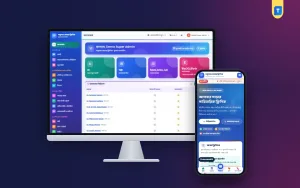
Once orders pass a few dozen a day, a page and a notebook stop working. You need stock per size, a clean order flow, payment checks, courier booking, staff roles and reports in one place.
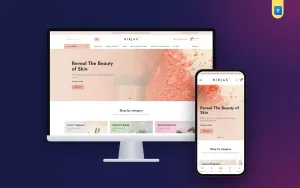
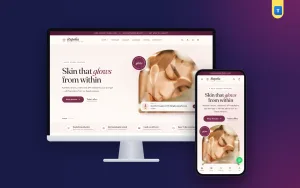
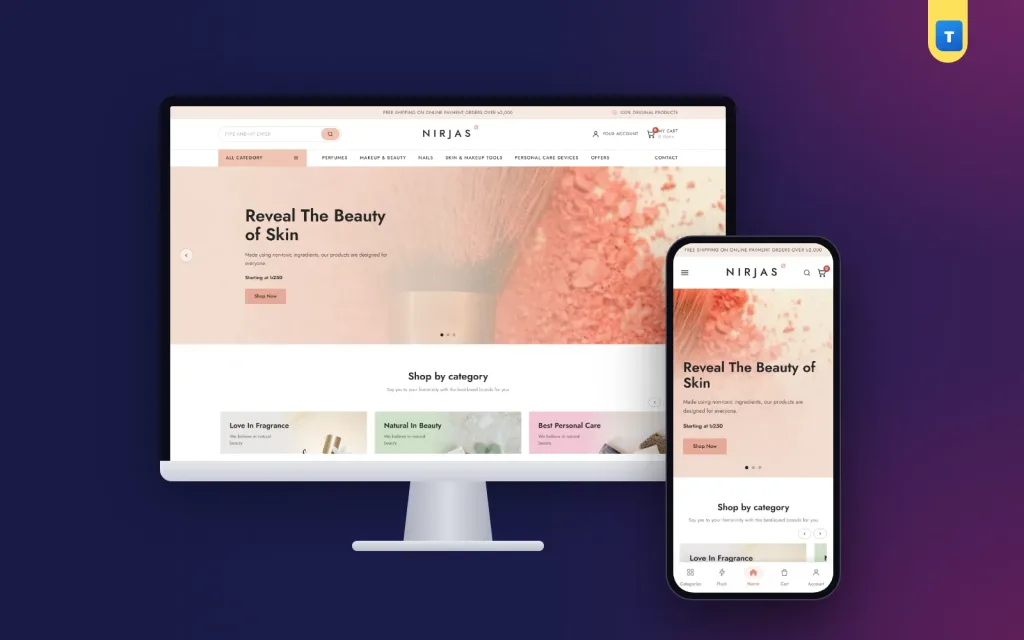
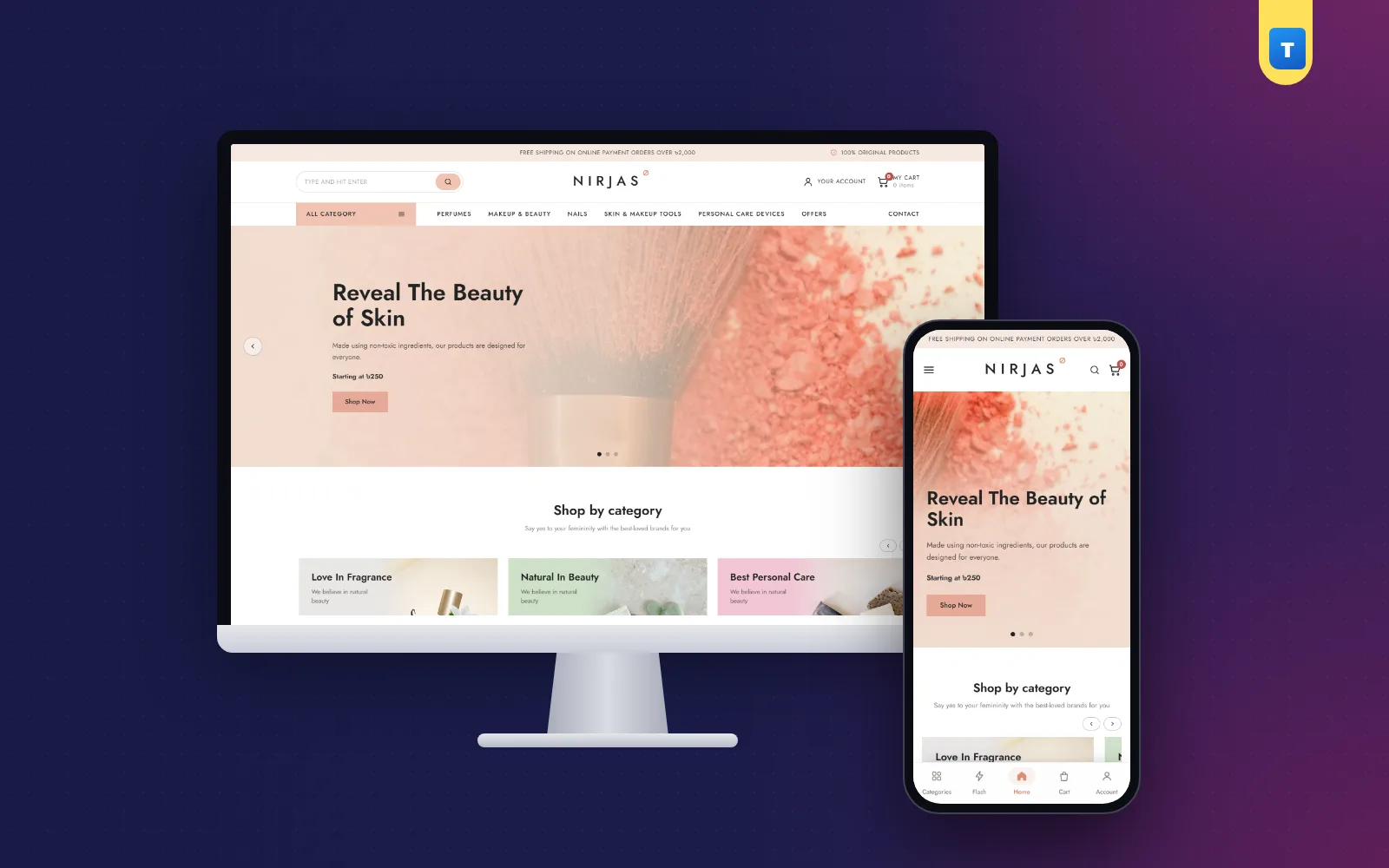
Nirjas, our Laravel cosmetic shop software, gives a premium dark storefront for beauty and fragrance, size variants, gift combos, a COD limit with optional advance, bKash, Nagad and SSLCommerz, Pathao, REDX and Steadfast booking, staff roles and reports. You can open the live Nirjas demo to see how a luxury beauty shop can look and work.
A launch checklist
- One clear promise and one hero product.
- Safe, tested formula with a reliable manufacturer.
- Licences and label requirements confirmed.
- Packaging tested in heat.
- Consistent colours, fonts and photos.
- Website with product details, payments and courier booking.
- Ten honest early reviews.
- A launch offer and a plan for the next three months of content.
Frequently asked questions
How do I start a beauty brand in Bangladesh with a small budget?
Pick one clear problem, work with a contract manufacturer, launch one or two products in small batches, sell through your own website and social pages, and grow with honest reviews.
Do I need approval to sell cosmetics?
Usually you need a trade licence and TIN, and some products may need approval or registration. Check the current rules with the relevant authorities before launch.
What sells best for a beauty brand in Bangladesh?
Products that solve local needs: light moisturisers, sunscreen, oil control, hair-fall care, lip care and long-lasting fragrance.
What makes good cosmetic web banner design?
One message per banner, the real product large and sharp, brand colours, a short line, one button and a separate phone version.
Should I sell through resellers?
Resellers can grow reach fast. Give them a fair margin and clear rules on price and photos so your brand stays consistent.